"The Great Transhipment Scam" and the Critical Role of Freight Forwarding and Logistics Companies

A container’s journey can look clean on paper while hiding a very different story. That is the concern behind discussions of “The Great Transhipment Scam” raised by the US government, where goods may be routed through another country to disguise their true origin and avoid duties, trade restrictions, or sanctions.
Transhipment itself is not illegal. It is a normal part of global trade. A shipment may pass through Singapore, Hong Kong, Dubai, or other hubs because routes are faster, cheaper, or more practical. The problem begins when routing becomes a cover story.
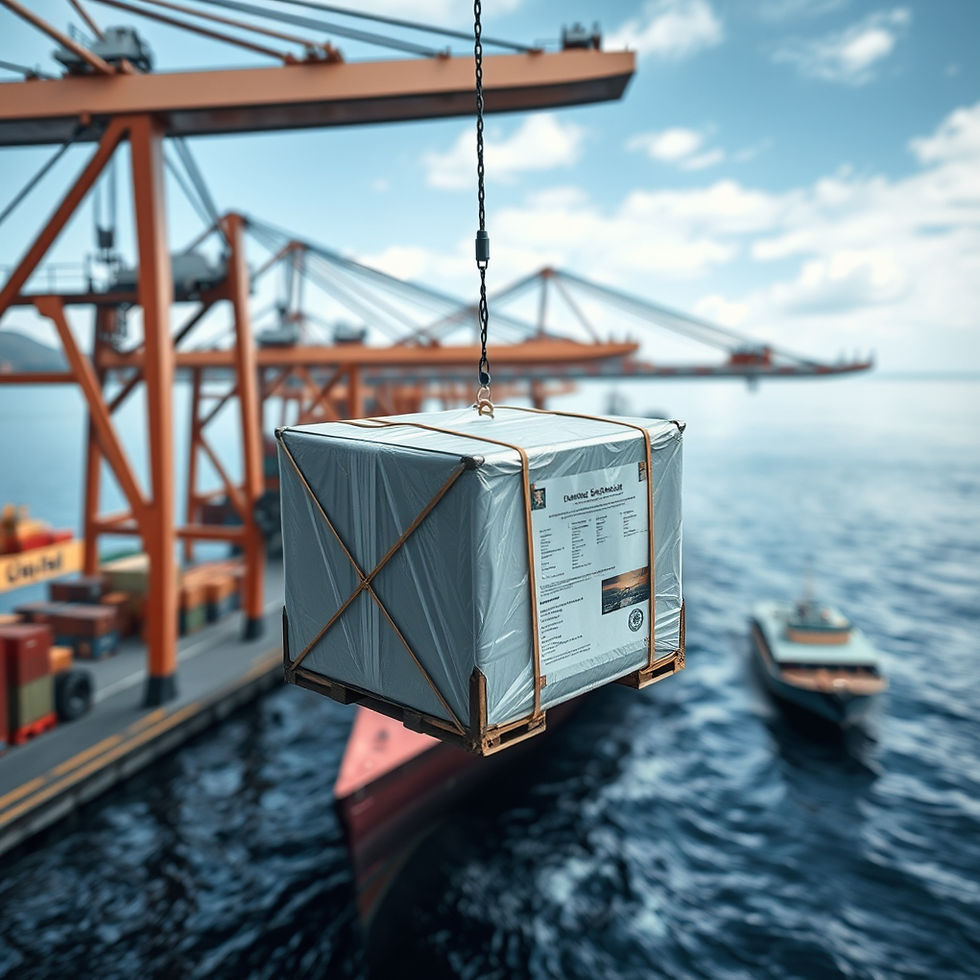
What the transhipment scam means
At the centre of the issue is country of origin. Import duties, tariffs, and trade rules often depend on where a product was made, not simply where it was shipped from.
A questionable shipment may follow this pattern:
Goods are manufactured in one country.
They are sent to a second country.
The paperwork presents the second country as the origin.
The goods enter the destination market under lower duties or fewer restrictions.
This can harm legitimate traders. It also creates risk for importers who may not know the full history of the cargo they purchased. If authorities find false declarations, the shipment may face delays, penalties, seizure, or longer inspections in the future.
For Philippine businesses trading with the US and regional suppliers, the lesson is clear. A cheaper supplier or unusual route can carry hidden compliance costs.
Why forwarders and logistics teams matter
Freight forwarders do more than book space on vessels or trucks. In modern trade, they sit near the centre of compliance, documentation, and cargo visibility.
Strong freight forwarding and logistics providers help spot problems before cargo moves. They check whether documents make sense. They compare the declared origin with the route, supplier records, packing details, and commercial invoice. They ask questions when a shipment takes an unusual path.

The best teams look for red flags such as:
A sudden change in exporter or country of origin
Documents that do not match the cargo description
Unusual routing with no clear commercial reason
Vague product descriptions
Missing manufacturing details
Pressure to “just ship it” without review
This is where experience matters. A forwarder that treats paperwork as a formality may miss the issue. A careful logistics partner treats documents as part of the cargo itself.
Compliance now travels with the container
Authorities can review bills of lading, certificates of origin, commercial invoices, packing lists, and customs declarations. They may also compare shipment histories and supplier patterns.
That means businesses need a clear audit trail. Records should show who made the goods, where they were made, how they moved, and why the route was used.

Good logistics practice includes:
Verifying supplier and manufacturer details
Using accurate HS codes
Keeping complete shipping records
Checking certificates of origin carefully
Avoiding vague or incomplete descriptions
Escalating suspicious routing before departure
No forwarder can guarantee that every supplier is honest. But a responsible provider can reduce risk by refusing shortcuts and insisting on proper documentation.
The best protection is transparency
The transhipment issue is a reminder that global trade depends on trust, but trust must be verified. A shipment is not compliant just because it arrives. It is compliant when its documents, route, origin, and commercial story all align.

For importers and exporters, the cheapest route is not always the safest route. The right logistics partner protects more than cargo. It protects market access, reputation, and long-term trading relationships.
The key takeaway is simple: transhipment is normal, concealment is dangerous. Freight forwarders and logistics companies play a critical role in keeping that line clear.




Comments